


Prayer Plant Care A Complete Guide are popular indoor plants because of their colorful leaves and fascinating habit of folding their leaves upward at night. Good prayer plant care mainly depends on suitable light, consistent moisture, humidity, warm temperatures, healthy soil, and proper drainage.
I love caring for plants because they make a home feel peaceful and alive. When I see a prayer plant producing a fresh leaf or small flower, I feel happy and thankful, and I sometimes take a quiet moment to pray for my plants and the people I love.
Summary
Prayer plant care becomes much easier when you understand the natural needs of Maranta leuconeura. This tropical houseplant prefers bright indirect light, evenly moist but well-draining soil, moderate to high humidity, warm temperatures, and a container with drainage holes. It does not usually respond well to harsh direct sunlight, constantly soggy soil, cold drafts, or excessive fertilizer.
Brown leaf tips, curling leaves, yellow leaves, faded patterns, and slow growth are common problems that can usually be investigated by checking the plant’s complete environment. Instead of changing several things at once, check the soil, light, humidity, temperature, roots, and water quality one by one. With patience and a consistent routine, a prayer plant can remain attractive and healthy for a long time.
What Is a Prayer Plant?
A prayer plant is the common name most often used for Maranta leuconeura, a tropical plant native to Brazil. It belongs to the Marantaceae family and is especially popular as a houseplant because of its attractive foliage. Depending on the variety, the leaves can have dark green backgrounds, light green markings, red veins, and other beautiful patterns.
The plant gets its common name from its unusual daily movement. During daylight, its leaves usually spread out, while at night they can rise and fold toward each other, creating an appearance similar to hands held in prayer. This movement is known as nyctinasty and is one of the most interesting features of the plant.
Prayer Plant Care at a Glance
The basic requirements for prayer plant care are simple, but consistency matters. A healthy plant needs enough filtered light to support growth, moisture around its roots without standing in water, and a warm environment that feels closer to its natural tropical conditions.
| Care Need | Best Condition |
| Plant type | Tropical perennial |
| Scientific name | Maranta leuconeura |
| Light | Bright indirect light |
| Water | Evenly moist soil |
| Humidity | Around 50% or higher |
| Temperature | About 18–27°C |
| Soil | Moisture-retentive and well-draining |
| Pot | Drainage holes |
| Fertilizer | Diluted balanced fertilizer during active growth |
| Propagation | Division or suitable stem cuttings |
| Common problems | Brown tips, curling and yellow leaves |
| Pet safety | Generally considered non-toxic to cats and dogs |
How Much Light Does a Prayer Plant Need?
Bright indirect light is one of the most important parts of successful prayer plant care. Place your plant somewhere bright where it receives plenty of filtered or reflected light without being exposed to strong direct sunlight for long periods. An east-facing window can be useful because morning sunlight is usually gentler, while a bright south or west window may require more distance from the glass.
Too much direct sunlight can scorch, bleach, or fade the attractive patterns on the leaves. Very low light can also cause weak growth and less vibrant foliage. If the plant receives harsh afternoon sunlight, move it farther away from the window or use a sheer curtain to soften the light.
How Often Should You Water a Prayer Plant?
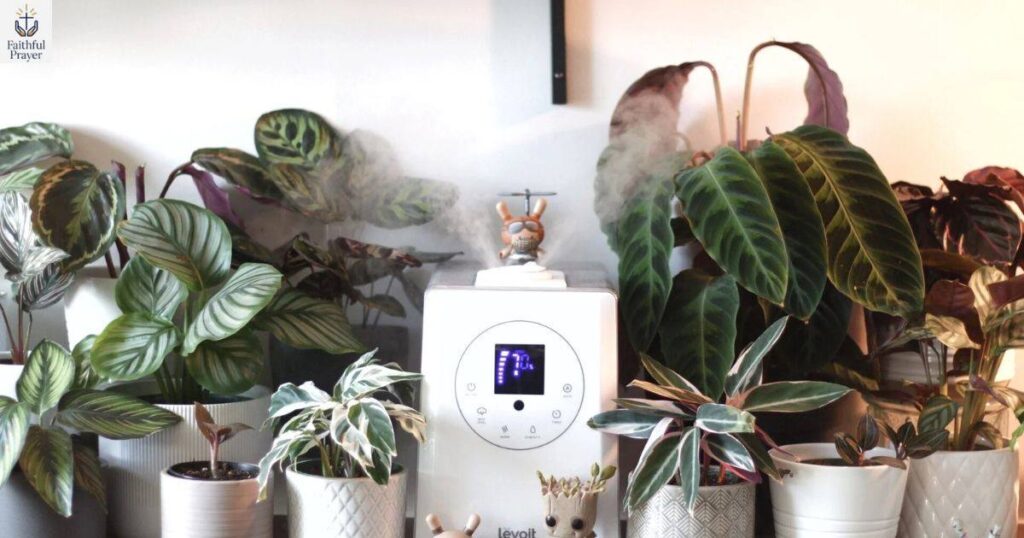
Watering is one of the most important parts of prayer plant care because Maranta prefers consistent moisture but does not like constantly saturated soil. Before watering, check the soil with your finger. If the upper layer has started to dry while the deeper soil still has some moisture, the plant may be ready for another drink depending on the conditions around it.
When you water, moisten the soil thoroughly and allow excess water to escape through the drainage holes. Never leave the pot sitting in collected water because constantly wet soil can reduce oxygen around the roots and contribute to root problems. During warmer and brighter periods, your plant may need water more often, while winter or low-light conditions can increase the time between watering.
What Type of Water Is Best for a Prayer Plant?
Water quality can sometimes affect prayer plants, especially when tap water contains high levels of minerals or other substances that sensitive plants may not tolerate well. Brown or crispy leaf tips can have several causes, but water quality is one factor worth considering when other parts of the care routine appear correct.
If your plant continues developing brown tips despite suitable humidity, proper watering, and good light, you can try filtered water or clean rainwater where appropriate. This is not a universal requirement because tap water varies between locations. I would first look at the entire care routine rather than assuming that tap water is automatically the problem.
What Humidity Does a Prayer Plant Need?
Prayer plants come from tropical environments and generally appreciate humid air. Many care guides recommend keeping humidity around 50% or higher, while some growers prefer even higher levels. Low humidity may contribute to brown edges, crispy tips, curling leaves, and generally stressed-looking foliage.
A humidifier is one of the most dependable ways to increase humidity around an indoor plant. You can also group several plants together to create a slightly more humid environment. Bathrooms can sometimes work well if they have enough natural light, but avoid placing the plant directly beside heaters, air conditioners, or strong drafts. Misting may temporarily increase moisture around the leaves, but it should not replace stable room humidity.
Read More: 18 Powerful Bible Verses About the Future and God’s Plan
What Temperature Is Best for a Prayer Plant?
Warm and stable conditions are ideal for Maranta. A temperature around 18–27°C is commonly suitable for indoor growth, although the exact comfort range can vary with the plant and its environment. The most important point is to avoid sudden temperature changes and prolonged exposure to cold conditions.
Keep your prayer plant away from cold drafts, open windows during cold weather, heating vents, and air-conditioning outlets. I prefer giving a plant one stable location rather than moving it around repeatedly. A consistent environment can make it easier for the plant to settle and produce healthy new growth.
What Is the Best Soil for a Prayer Plant?
The best soil for a prayer plant should hold enough moisture to keep the roots from drying quickly while still allowing excess water to drain away. A heavy mix that stays saturated for days can increase the risk of root problems, while an extremely fast-draining mix may dry out too quickly.
A good indoor potting mix can be combined with perlite or another airy material to improve drainage. Coco coir can also help retain moisture. Whatever mixture you choose, the goal is a loose, breathable medium that holds some moisture without becoming muddy. Always use a container with drainage holes so excess water has somewhere to go.
How Should You Fertilize a Prayer Plant?
Prayer plants need nutrients for healthy growth, especially when they are actively producing new leaves. A balanced houseplant fertilizer can be used in diluted form according to its product instructions during the active growing period. Feeding too heavily does not make a plant grow faster and can instead cause problems.
Avoid fertilizing a plant that is already severely stressed until you understand what is wrong. Too much fertilizer can contribute to salt buildup and leaf damage. If your prayer plant is struggling, focus first on light, water, humidity, temperature, and root health before adding extra nutrients.
How Do You Repot a Prayer Plant?
Prayer plants usually do not need a very large container. Their root systems are relatively shallow, so placing a small plant into a huge pot can leave a large amount of wet soil around the roots. This can make moisture management more difficult and may increase the risk of root problems.
Consider repotting when roots have filled the current container, water is no longer draining properly, or the old soil has broken down. Choose a new pot only slightly larger than the existing one and refresh the potting mix. Repotting during active growth can give the plant a better opportunity to adjust after the change.
How Do You Propagate a Prayer Plant?
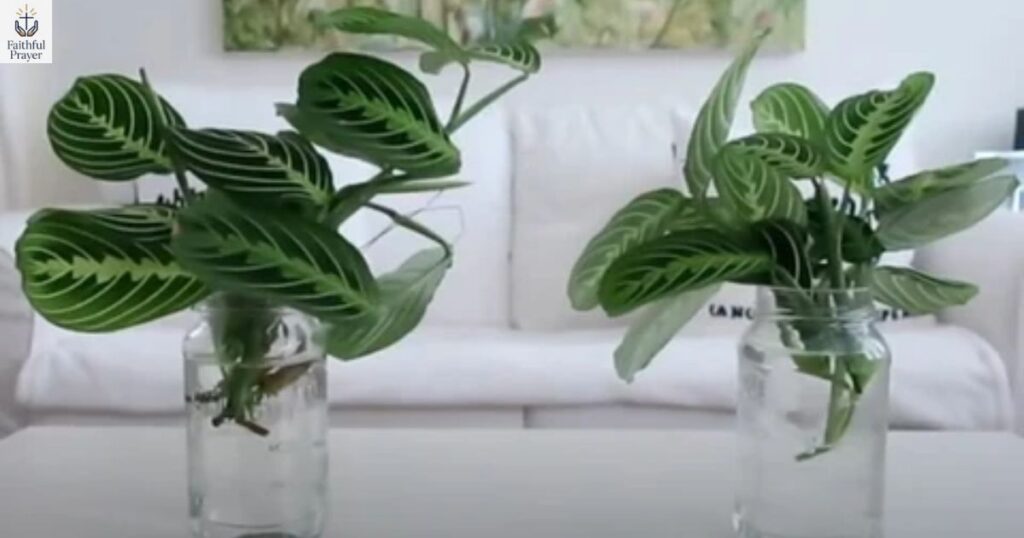
Propagation is a fun way to create new plants from an established Maranta. One simple method is division. When a mature plant has several rooted sections, carefully remove it from its container and separate a healthy section with roots attached. Place the new division into fresh, suitable soil and keep it warm and appropriately moist while it establishes.
Stem cuttings can also be used when a suitable node is present. A healthy cutting needs the correct part of the stem from which roots can develop. Keep the cutting in suitable conditions and give it time. I would avoid repeatedly disturbing a new cutting just to check whether roots have appeared because patience is an important part of propagation.
Why Do Prayer Plant Leaves Fold at Night?
The nighttime leaf movement is one of the main reasons people enjoy prayer plants. During the day, the leaves generally spread outward, while at night they can lift upward and fold together. This natural movement is called nyctinasty and is connected with changes in the plant’s leaf joints.
I personally think this movement is one of the most beautiful things about the plant. When the leaves slowly rise in the evening, it reminds me of quiet hands held together in prayer. It makes caring for a houseplant feel more peaceful, and it is one reason I enjoy having prayer plants around my home.
Why Are My Prayer Plant Leaves Curling?
Curling leaves can happen for several reasons, so it is important not to assume that the plant simply needs more water. Dry soil, low humidity, excessive heat, cold stress, unsuitable water, too much direct light, pests, or root problems can all contribute to stressed leaves.
Start by checking the soil and humidity. If the soil is extremely dry, water it thoroughly and allow excess water to drain. If the soil is already wet, do not keep adding water. Instead, inspect drainage, roots, light, temperature, and pests. Looking at the complete environment is usually more useful than treating one symptom in isolation.
Why Are the Leaf Tips Turning Brown?
Brown and crispy tips are common complaints among prayer plant owners. Low humidity, inconsistent watering, mineral-rich water, excessive fertilizer, and dry air can all play a role. A plant sitting near a heater or air-conditioning outlet may also experience unusually dry conditions around its leaves.
Start by checking how quickly the soil dries, how humid the room is, and what type of water you use. If the basic conditions look good, review your fertilizer routine as well. Damaged brown tissue will not turn green again, but carefully trimming the damaged section can improve the appearance while better care helps new leaves develop.
Why Are Prayer Plant Leaves Turning Yellow?
Yellow leaves can have different causes. An occasional older leaf turning yellow may simply be part of the plant’s natural aging process, but widespread yellowing deserves closer attention. Overwatering, poor drainage, cold conditions, root stress, and other environmental problems can contribute to yellow foliage.
Check the soil before watering again. If it remains wet for a long time, inspect the drainage and consider whether the potting mix is too heavy. If the plant is near a cold window or draft, move it to a warmer and more stable location. Avoid adding more water simply because the leaves look unhappy.
Why Is My Prayer Plant Losing Its Color?
The beautiful patterns on prayer plant leaves depend partly on suitable growing conditions. Too much direct sunlight can bleach or damage foliage, while insufficient light can result in weaker growth and less vibrant appearance.
If the plant receives strong afternoon sunlight, move it into bright filtered light. If it sits in a very dark corner, gradually move it toward a brighter location. An already damaged leaf may not completely recover its original appearance, so focus on creating better conditions for the new leaves that will develop.
Read More Article: Ho’oponopono Prayer Meaning, Four Phrases and How to Practice It
Why Is My Prayer Plant Drooping?
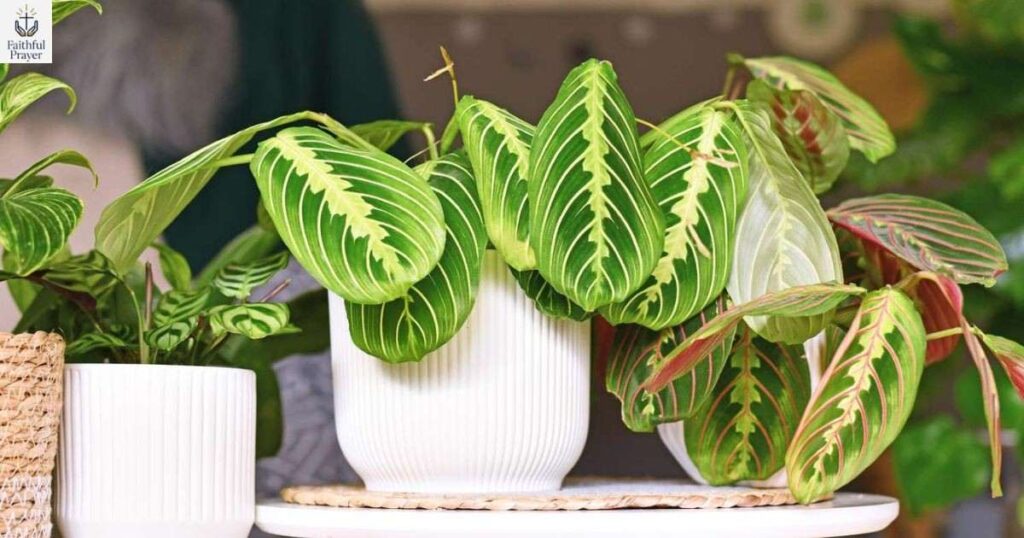
Drooping can occur when the soil becomes too dry, but it can also happen when roots are stressed by excessive moisture or poor drainage. This is why checking the soil is more useful than immediately watering a drooping plant.
If the soil is dry, provide a thorough drink and allow the excess water to drain. If the soil is wet and the plant continues to droop, inspect the roots and drainage. Also consider temperature, light, and humidity. A healthy care routine should provide moisture without leaving the root zone constantly saturated.
What Pests Attack Prayer Plants?
Prayer plants can experience common houseplant pests, including spider mites. These pests can become particularly troublesome in dry indoor conditions. Watch for tiny insects, fine webbing, speckled leaves, or foliage that gradually loses its healthy appearance.
Check both sides of the leaves regularly because pests can hide underneath the foliage. Early detection makes management easier. Keeping the plant healthy with suitable light, moisture, humidity, and airflow can also make it easier to notice changes before a small pest issue becomes a major problem.
Popular Prayer Plant Varieties
There are several attractive prayer plant varieties and forms that collectors enjoy. Red Prayer Plant is recognized for its strong red veins and colorful markings, while Lemon Lime Prayer Plant has bright green and yellowish-green foliage that creates a fresh appearance.
Rabbit’s Foot, sometimes called Rabbit’s Tracks, has distinctive darker markings that can look like small footprints. Other Maranta forms can have different leaf patterns and colors, but their basic growing requirements are generally similar. When choosing a variety, I would focus on the appearance I love while keeping the plant’s basic environmental needs in mind.
Is a Prayer Plant Safe for Cats and Dogs?
Maranta leuconeura is generally considered non-toxic to cats and dogs. This makes it a popular choice for homes where pets are present. Even with plants considered pet-safe, however, it is still better to prevent pets from repeatedly eating leaves or digging into the soil.
Fertilizers, pesticides, potting materials, and other products used around plants can create separate concerns. If a pet eats a large amount of any plant or shows unusual symptoms afterward, contacting a veterinarian is the safest approach. Keeping plants in an appropriate location can protect both your pets and your greenery.
How Can I Keep My Prayer Plant Healthy and Full?
A full and attractive prayer plant usually comes from consistent basic care rather than one special trick. Give it bright indirect light, maintain suitable moisture, provide adequate humidity, keep temperatures stable, and use a well-draining soil mix. Regularly inspect the leaves so you can notice changes early.
Pruning unhealthy growth with clean scissors can improve the appearance of the plant, while propagation can give you additional plants from an established specimen. I also like to give my plants time instead of expecting immediate results. New growth takes patience, and watching that growth develop is one of the most rewarding parts of caring for plants.
Can Prayer Plants Grow Flowers?
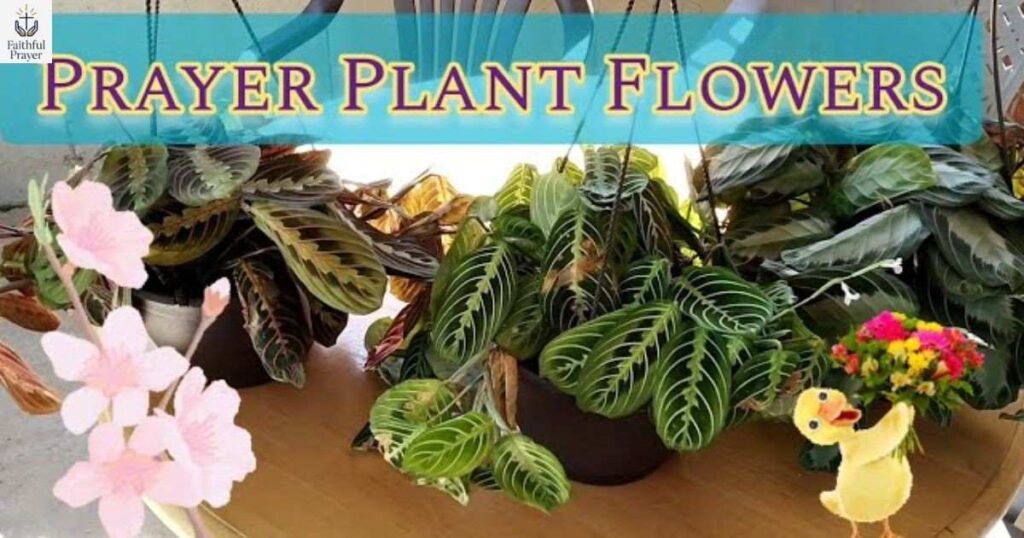
Yes, prayer plants can produce small flowers when growing conditions are suitable. However, their foliage is usually the main attraction because the leaves have much stronger visual impact than the flowers. North Carolina State Extension describes the flowers as small compared with the plant’s decorative foliage.
I still enjoy seeing flowers appear because they feel like a special little reward after caring for a plant. Whenever I notice new growth or a flower, I like taking a moment to appreciate it. For me, that simple habit makes plant care feel connected with gratitude and prayer rather than being only another household responsibility.
A Simple Prayer for My Plants
I enjoy turning plant care into a peaceful moment. While watering or checking new growth, I can slow down for a few minutes and be thankful for the beauty of creation. A simple prayer can make that moment feel even more meaningful.
Dear God, thank You for the beauty of creation and for the small joys You place in my home. Help me care for these plants with patience, kindness, and gratitude. May their growth remind me to appreciate life, love the people around me, and remain thankful for every blessing. Amen.
I also think about my child when I look at a growing plant because both need patience, attention, protection, and love. I love watching something small become stronger over time, and that feeling reminds me that beautiful things often need consistent care before we can see their full potential.
Prayer Plant Care Problems at a Glance
| Problem | Possible Cause | What to Check |
| Brown tips | Low humidity, water quality, fertilizer | Humidity, water and feeding |
| Curling leaves | Dry soil, dry air, heat or stress | Soil and room conditions |
| Yellow leaves | Overwatering, poor drainage or cold | Roots, soil and temperature |
| Faded patterns | Too much or too little light | Plant location |
| Drooping | Dry soil or root stress | Moisture and roots |
| Slow growth | Low light or unsuitable conditions | Light and nutrients |
| Leaf damage | Pests or environmental stress | Both sides of leaves |
| Root problems | Constantly wet soil | Drainage and roots |
Frequently Asked Questions
How often should I water a prayer plant?
Water when the upper layer of soil begins to dry rather than following a strict calendar. Keep the soil consistently moist but never waterlogged.
Does a prayer plant need direct sunlight?
No. Bright indirect light is generally better. Strong direct sunlight can scorch or fade its patterned foliage.
Why are my prayer plant leaves turning brown?
Low humidity, inconsistent watering, mineral-rich water, excessive fertilizer, and dry indoor air can contribute to brown tips. Check the complete growing environment before changing one factor.
Why does my prayer plant fold its leaves at night?
This is a natural movement called nyctinasty. The leaves rise and fold at night, which gives the plant its common name.
Is Maranta leuconeura safe for pets?
Maranta leuconeura is generally considered non-toxic to cats and dogs. Even so, pets should not be encouraged to chew on houseplants.
Conclusion
Prayer plant care is mainly about consistency. Give Maranta leuconeura bright indirect light, suitable moisture, good humidity, warm temperatures, healthy soil, and proper drainage, then observe how the plant responds.
I especially love the way its leaves fold at night because it turns ordinary plant care into a peaceful moment. Watching a new leaf or flower appear reminds me to be patient, thankful, and caring toward the living things around me.
