
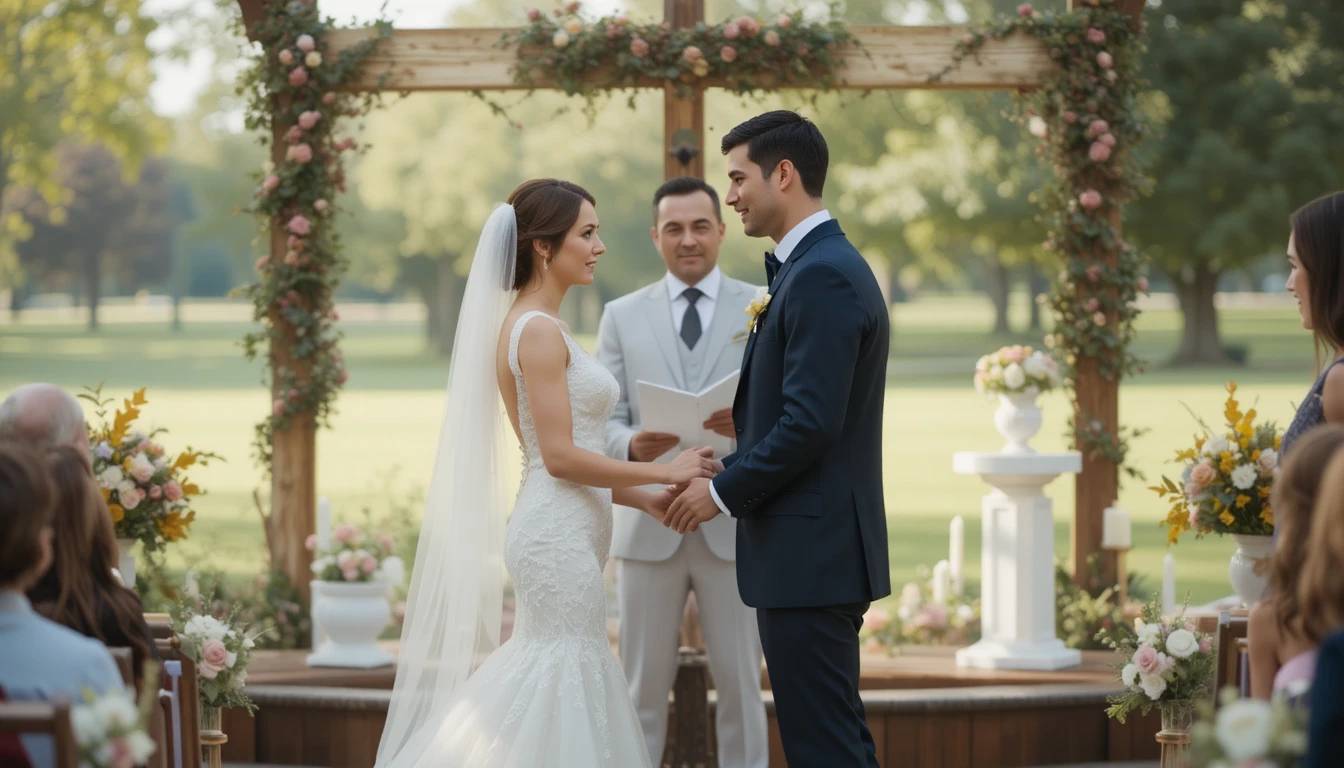
A Christian wedding ceremony is a sacred celebration of love, faith, and lifelong commitment before God, family, and friends. It marks the beginning of a shared journey in which two people promise to love, honor, and support each other through every season of life.
A well-written Christian wedding ceremony script helps couples and officiants plan each part of the service, from the opening prayer and Bible readings to the wedding vows, ring exchange, and final blessing. Whether you are planning a traditional church wedding or a simple, intimate ceremony, this guide provides meaningful words, ready-to-use examples, and customizable options to help you create a beautiful wedding ceremony centered on Christian faith.
Order of a Christian Wedding Ceremony
A Christian wedding ceremony usually follows a sequence of meaningful moments that celebrate the couple’s love, faith, and commitment before God. Although the exact order may vary depending on the church, denomination, and couple’s preferences, most ceremonies include a processional, opening words, prayer, Scripture reading, wedding vows, ring exchange, and a final blessing.
Here is a common order of a Christian wedding ceremony to help couples and officiants prepare for the special day.
Processional
The ceremony begins as the wedding party enters the venue. Depending on the couple’s preferences and church tradition, the groom, officiant, wedding party, and bride enter in a planned order while appropriate music plays.
Welcome and Opening Words
The officiant welcomes family and friends, introduces the purpose of the gathering, and explains the spiritual significance of Christian marriage.
Opening Prayer
The officiant offers a prayer asking God to bless the couple, guide their marriage, and fill their life together with love, patience, wisdom, and faith.
Bible Readings
A family member, friend, or officiant may read selected Bible passages about love, unity, commitment, and marriage. Popular choices include 1 Corinthians 13:4–7, Genesis 2:24, and Colossians 3:14.
Wedding Message or Sermon
The officiant shares a short message about the meaning of Christian marriage and the importance of mutual respect, forgiveness, faithfulness, and supporting one another throughout life. This part may be brief or omitted, depending on the ceremony style and church tradition.
Declaration of Intent
The officiant asks each partner to confirm their willingness to enter into marriage. The couple responds with words such as “I do,” according to the wording chosen for the ceremony.
Exchange of Wedding Vows
Wedding vows are the heart of a Christian wedding ceremony. They express the promises a couple makes before God, their family, and friends as they begin their married life together. Couples may choose traditional vows or write personal promises that reflect their relationship, shared faith, and commitment to one another.
Traditional Christian Wedding Vows
Officiant:
“[Bride’s Name] and [Groom’s Name], you are about to make sacred promises to one another. As you exchange your vows, remember that marriage is a lifelong commitment built on love, faithfulness, patience, and mutual respect.”
Groom:
“I, [Groom’s Name], take you, [Bride’s Name], to be my wife. I promise to love you, honor you, support you, and remain faithful to you through times of joy and difficulty, in sickness and in health, for richer or poorer, for as long as we both shall live. With God’s help, I will cherish our marriage and walk beside you throughout our lives.”
Bride:
“I, [Bride’s Name], take you, [Groom’s Name], to be my husband. I promise to love you, honor you, support you, and remain faithful to you through times of joy and difficulty, in sickness and in health, for richer or poorer, for as long as we both shall live. With God’s help, I will cherish our marriage and walk beside you throughout our lives.”
Short Christian Wedding Vows
Couples who prefer a simple ceremony may use shorter vows.
Groom:
“I choose you, [Bride’s Name], as my wife and partner in life. I promise to love you, respect you, remain faithful to you, and support you in every season of life, with God’s guidance.”
Bride:
“I choose you, [Groom’s Name], as my husband and partner in life. I promise to love you, respect you, remain faithful to you, and support you in every season of life, with God’s guidance.”
Couples may personalize these vows to reflect their own promises and beliefs. If they are marrying in a church, they should confirm the wording with their officiant, as some denominations require or recommend specific vows..
Exchange of Wedding Rings
The exchange of wedding rings is a meaningful part of many Christian wedding ceremonies. The rings serve as a visible reminder of the promises the couple has made and their commitment to build a life together with love, faithfulness, and respect.
Officiant:
“These rings symbolize the promises you have made to one another today. Whenever you look at your ring, may it remind you of your commitment, the love you share, and the vows you have spoken before God and your loved ones.”
Groom:
“[Bride’s Name], I give you this ring as a symbol of my love and commitment. I promise to love you, honor you, and remain faithful to you throughout our life together, with God’s help.”
Bride:
“[Groom’s Name], I give you this ring as a symbol of my love and commitment. I promise to love you, honor you, and remain faithful to you throughout our life together, with God’s help.”
Officiant’s Closing Words:
“May these rings remind you each day of the promises you have made and the love that brought you together. May God guide your marriage and strengthen your commitment to one another through every season of life.”
The couple may choose shorter wording or use the ring exchange tradition followed by their church. The rings are symbols of commitment; the vows and the marriage itself carry the deeper meaning of the promises being made.
Unity Ceremony (Optional)
Some couples include a unity candle, sand ceremony, or another meaningful tradition to symbolize their union. This element is optional and depends on personal preferences and church practices.
Marriage Blessing and Prayer
The officiant offers a final prayer asking God to guide the couple, strengthen their relationship, and bless their home with peace, understanding, and enduring love.
Pronouncement of Marriage
After the couple has completed the required vows and declarations, the officiant formally pronounces them married, provided all applicable legal requirements have been met.
First Kiss and Presentation of the Couple
The couple may share their first kiss as a married couple. The officiant then introduces them to the guests using their preferred names and wording appropriate to their circumstances.
Recessional
The newly married couple leads the wedding party out of the ceremony space, followed by the remaining participants according to the planned exit order. Music may accompany the recessional as guests celebrate the marriage.
This ceremony order is a flexible guide rather than a requirement for every Christian wedding. Couples should confirm the final sequence with their officiant and church, especially when following a specific denominational tradition or local marriage requirements.
Christian Wedding Ceremony Script
A Christian wedding ceremony typically follows a meaningful order that reflects the importance of marriage in faith. The officiant welcomes guests, leads prayers, shares Scripture, guides the couple through their vows, and announces them as husband and wife.
Each part of the ceremony has a special purpose. The opening welcomes everyone, the vows express commitment, the rings symbolize eternal love, and the blessing asks for God’s guidance over the couple’s future.
Below is a simple Christian wedding ceremony script that can be customized according to the couple’s wishes.
1. Welcome & Opening Words
Officiant:
“Dearly beloved, we are gathered here today in the presence of God, family, and friends to celebrate the marriage of [Bride’s Name] and [Groom’s Name]. Marriage is a beautiful gift from God, created to unite two people in love, faith, and devotion.
Today, we witness the beginning of a new chapter in their lives as they make a lifelong commitment to one another. This ceremony is a reminder that love is patient, love is kind, and true marriage is built on trust, understanding, and the grace of God.
We thank God for bringing these two hearts together and for allowing us to share this special moment with them. As they exchange their promises today, may they always remember the importance of kindness, forgiveness, respect, and faith in their marriage.”
The officiant may then invite everyone to join in prayer:
“Let us pray. Heavenly Father, we come before You with grateful hearts as we celebrate the union of [Bride’s Name] and [Groom’s Name]. Bless their marriage with endless love, wisdom, patience, and strength. Guide them through every season of life and help them build a home filled with faith and joy. Amen.”
The welcome and opening words set the tone for the entire ceremony. They remind everyone that Christian marriage is not only a commitment between two people but also a relationship supported by God’s love and guidance.
Get the Wedding Ceremony Planning Kit
Planning a Christian wedding ceremony becomes easier when couples have the right resources and a clear plan. A wedding ceremony planning kit can help organize important details such as the ceremony order, Scripture selections, vows, prayers, music choices, and notes for the officiant.
A complete planning kit may include:
- Wedding ceremony timeline and checklist
- Traditional and modern Christian wedding vows
- Bible verse suggestions for marriage
- Prayer examples for different ceremony styles
- Officiant script templates
- Ring exchange wording ideas
- Personalization tips for couples
Using a planning kit allows couples to focus more on the meaning behind their wedding instead of worrying about missing important steps. It also helps officiants create a smooth and heartfelt ceremony that reflects the couple’s faith and personality.
A Christian wedding is a celebration of love, commitment, and God’s blessing. With thoughtful preparation and a meaningful script, couples can create a ceremony that they and their guests will remember for years to come.
2. Opening Prayer

Officiant:
“Let us pray.
Heavenly Father, we gather today with thankful hearts as we celebrate the marriage of [Bride’s Name] and [Groom’s Name]. We ask for Your presence and blessing over this ceremony and over the life they are beginning together.
May their relationship always be guided by love, patience, kindness, and faith. Help them support each other through times of joy and challenges, and remind them to keep You at the center of their marriage. Bless their home with peace, happiness, and understanding.
We thank You for the gift of love and for bringing these two people together. May their commitment today reflect Your love and grace. Amen.”
The opening prayer creates a spiritual foundation for the ceremony. It invites God’s presence and reminds the couple and guests that marriage is a sacred commitment built on faith and devotion.
Read Also: 150+ Touching Good Morning Prayer for My Love: Best Messages
3. Scripture Readings for a Christian Wedding
Bible readings are an important part of many Christian wedding ceremonies because they remind couples of the love, faithfulness, patience, and unity that help build a strong marriage. The couple may choose a favorite passage, ask a family member to read Scripture, or invite the officiant to select verses that reflect the spiritual meaning of their commitment.
Here are four meaningful Bible passages that can be included in a Christian wedding ceremony.
1. 1 Corinthians 13:4–7 — The Meaning of Love
This passage describes love as patient, kind, humble, and enduring. It reminds couples that genuine love is expressed through everyday actions, including understanding, forgiveness, and care for one another.
2. Genesis 2:24 — Becoming One
Genesis 2:24 describes a man leaving his parents and being united with his wife, and the two becoming one flesh. This verse is often included in Christian wedding ceremonies because it speaks about the unity and commitment of marriage.
3. Colossians 3:14 — Love and Unity
Colossians 3:14 teaches believers to put on love, which binds everything together in perfect unity. For a married couple, this passage offers a reminder to practice compassion, patience, and mutual respect throughout their life together.
4. Ecclesiastes 4:9–12 — Supporting One Another
This passage explains the value of companionship and the strength that comes from helping one another. It reminds couples that marriage involves partnership, encouragement, and standing together during difficult times.
Officiant’s Introduction to the Scripture Reading
“Let us listen to the wisdom of God’s Word as we celebrate the marriage of [Bride’s Name] and [Groom’s Name]. May these Scriptures remind us that lasting love requires patience, kindness, faithfulness, and a willingness to support one another through every season of life.”
The couple should confirm the selected passages and wording with their officiant. Bible translations differ, so any direct quotation should match the translation chosen for the ceremony.
Christian Wedding Message or Sermon
A Christian wedding message gives the officiant an opportunity to explain the spiritual meaning of marriage and encourage the couple as they begin their life together. It may be based on one of the Scripture readings and should reflect the couple’s faith, values, and church tradition.
Sample Wedding Message
“Dear [Bride’s Name] and [Groom’s Name], today you are making a promise to share your lives with love, faithfulness, and respect. Marriage is more than a celebration of your love on this special day. It is a daily commitment to listen to one another, offer forgiveness, share responsibilities, and remain supportive through both joyful and difficult seasons.
First Corinthians 13 reminds us that love is patient and kind. These qualities are not only beautiful words to remember during a wedding ceremony; they are values to practice in everyday life. There will be moments of happiness and times when life brings unexpected challenges. During those moments, choose honest communication, treat each other with dignity, and seek wisdom and guidance through your faith.
May your marriage be a partnership in which both of you feel valued, respected, and encouraged to grow. Keep nurturing your friendship, celebrate one another’s successes, and face difficulties together. May God guide your decisions, strengthen your commitment, and help you build a home filled with love, peace, and understanding.”
The wedding message can be shortened for an intimate ceremony or expanded according to the couple’s preferences and the officiant’s tradition. Its purpose is to offer meaningful spiritual encouragement without repeating the vows or prayers that follow.
4. Wedding Sermon (Optional)

A wedding sermon gives the officiant an opportunity to share guidance and spiritual encouragement with the couple. It often focuses on the meaning of Christian marriage, the importance of partnership, and the role of faith in creating a strong relationship.
Officiant:
“Marriage is a journey where two people choose to walk together through every season of life. It requires love, sacrifice, patience, and a willingness to grow together.
A strong marriage is not built only on happy moments but also on the commitment to stand beside one another during difficult times. When God remains at the center of a relationship, couples can find strength, forgiveness, and hope.
Today, [Bride’s Name] and [Groom’s Name] are not simply celebrating a wedding; they are beginning a lifelong promise to love, honor, and support each other.”
5. Declaration of Intent
The declaration of intent is the moment when the couple publicly confirms their willingness to enter into marriage.
Officiant to the couple:
“[Bride’s Name] and [Groom’s Name], before your family, friends, and God, I ask you to declare your intentions.”
To the Groom:
“[Groom’s Name], do you take [Bride’s Name] to be your wife? Do you promise to love her, honor her, support her, and remain faithful to her for as long as you both shall live?”
Groom:
“I do.”
To the Bride:
“[Bride’s Name], do you take [Groom’s Name] to be your husband? Do you promise to love him, honor him, support him, and remain faithful to him for as long as you both shall live?”
Bride:
“I do.”
6. Wedding Vows

Wedding vows are the heart of a Christian wedding ceremony. They express the promises a couple makes before God, their family, and friends as they begin their married life together. Couples may choose traditional vows or write personal promises that reflect their relationship, shared faith, and commitment to one another.
Traditional Christian Wedding Vows
Officiant:
“[Bride’s Name] and [Groom’s Name], you are about to make sacred promises to one another. As you exchange your vows, remember that marriage is a lifelong commitment built on love, faithfulness, patience, and mutual respect.”
Groom:
“I, [Groom’s Name], take you, [Bride’s Name], to be my wife. I promise to love you, honor you, support you, and remain faithful to you through times of joy and difficulty, in sickness and in health, for richer or poorer, for as long as we both shall live. With God’s help, I will cherish our marriage and walk beside you throughout our lives.”
Bride:
“I, [Bride’s Name], take you, [Groom’s Name], to be my husband. I promise to love you, honor you, support you, and remain faithful to you through times of joy and difficulty, in sickness and in health, for richer or poorer, for as long as we both shall live. With God’s help, I will cherish our marriage and walk beside you throughout our lives.”
Short Christian Wedding Vows
Couples who prefer a simple ceremony may use shorter vows.
Groom:
“I choose you, [Bride’s Name], as my wife and partner in life. I promise to love you, respect you, remain faithful to you, and support you in every season of life, with God’s guidance.”
Bride:
“I choose you, [Groom’s Name], as my husband and partner in life. I promise to love you, respect you, remain faithful to you, and support you in every season of life, with God’s guidance.”
Couples may personalize these vows to reflect their own promises and beliefs. If they are marrying in a church, they should confirm the wording with their officiant, as some denominations require or recommend specific vows.
8. Unity Ritual (Optional)

A unity ritual represents two individuals becoming one in marriage. Many Christian couples include symbolic traditions such as a unity candle, sand ceremony, or other meaningful acts.
Officiant:
“As these two lights become one flame, may this union represent the love, faith, and commitment that [Bride’s Name] and [Groom’s Name] share. May they continue to grow together while honoring the individual gifts God has given them.”
9. Prayers of Blessing
Officiant:
“Lord, we ask for Your blessing upon this marriage. Guide [Bride’s Name] and [Groom’s Name] as they begin their life together. Give them wisdom in their decisions, patience in challenges, and joy in every moment they share.
May their home be filled with love, kindness, and faith. May they always support one another and reflect Your grace through their marriage. Amen.”
10. Pronouncement of Marriage
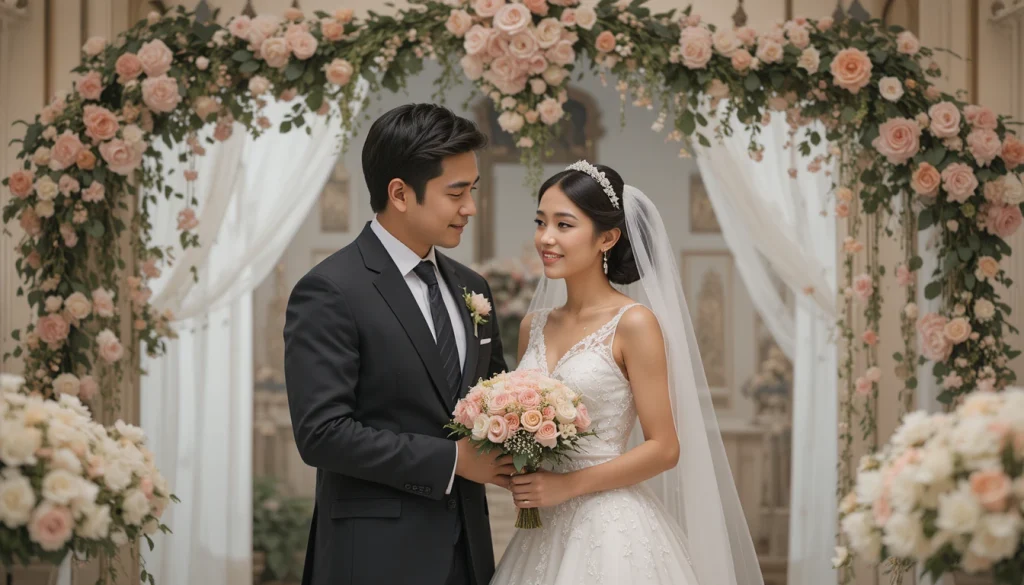
The pronouncement officially announces the couple as married.
Officiant:
“Because [Bride’s Name] and [Groom’s Name] have made their vows before God and these witnesses, and have expressed their commitment to one another, I now pronounce them husband and wife.
May the Lord bless your marriage and guide you throughout your life together. You may now share your first kiss as a married couple.”
11. Presentation of the Couple
The ceremony concludes with the introduction of the newly married couple to family and friends.
Officiant:
“It is my great joy to present for the first time, [Bride’s Name] and [Groom’s Name] as husband and wife.
May we celebrate their love, honor their commitment, and continue to support them as they begin this beautiful journey together.”
The couple then exits the ceremony area surrounded by the love and blessings of their family and friends.
Short Christian Wedding Ceremony Script
A short Christian wedding ceremony can be meaningful and memorable without including every traditional element. This simple script is suitable for couples who prefer a brief, faith-centered ceremony while keeping the essential moments of marriage, including a welcome, prayer, vows, ring exchange, and blessing. Couples should confirm the ceremony order and required wording with their officiant.
Welcome and Opening Prayer
Officiant:
“Dear family and friends, we are gathered here today before God to celebrate the marriage of [Bride’s Name] and [Groom’s Name]. Today, they begin a new chapter of life together, promising to love, honor, and support one another through every season.
Let us pray. Heavenly Father, thank You for bringing these two people together. Bless their marriage with love, patience, understanding, and faith. Guide them throughout their lives and help them build a home filled with peace and kindness. Amen.”
Declaration of Intent
Officiant to the Groom:
“[Groom’s Name], do you take [Bride’s Name] to be your wife, promising to love, honor, support, and remain faithful to her throughout your married life?”
Groom: “I do.”
Officiant to the Bride:
“[Bride’s Name], do you take [Groom’s Name] to be your husband, promising to love, honor, support, and remain faithful to him throughout your married life?”
Bride: “I do.”
Exchange of Wedding Vows
Groom:
“I, [Groom’s Name], take you, [Bride’s Name], to be my wife. I promise to love you, respect you, and stand beside you in joyful and difficult times. With God’s help, I will remain faithful to you and cherish our life together.”
Bride:
“I, [Bride’s Name], take you, [Groom’s Name], to be my husband. I promise to love you, respect you, and stand beside you in joyful and difficult times. With God’s help, I will remain faithful to you and cherish our life together.”
Exchange of Rings
Officiant:
“These rings symbolize the love and commitment you share. May they remind you of the promises you have made today and the life you are choosing to build together.”
Groom: “With this ring, I give you my love and promise to remain faithful to you.”
Bride: “With this ring, I give you my love and promise to remain faithful to you.”
Marriage Blessing and Pronouncement
Officiant:
“Heavenly Father, bless this marriage and guide [Bride’s Name] and [Groom’s Name] throughout their lives together. Help them grow in love, practice forgiveness, and support one another with patience and kindness. May their home be filled with Your peace and grace. Amen.
Having witnessed their vows and commitment to one another, and subject to the applicable marriage requirements, I now pronounce them married.”
Presentation of the Couple
Officiant:
“It is my pleasure to introduce [Bride’s Name] and [Groom’s Name] as a married couple. May God bless their journey together with lasting love, faith, and happiness.”
The couple may then share their first kiss and exit the ceremony space. This short Christian wedding ceremony script can be adapted to suit the couple’s preferences and church tradition.
Frequently Asked Questions
What is included in a Christian wedding ceremony script?
A Christian wedding ceremony script typically includes a welcome, opening prayer, Bible readings, a wedding message, declaration of intent, wedding vows, ring exchange, marriage blessing, and pronouncement. Some ceremonies also include a unity ritual, worship music, or a special prayer.
How long does a Christian wedding ceremony usually last?
A Christian wedding ceremony typically lasts around 20 to 40 minutes, although the length varies depending on the church tradition, readings, music, sermon, and additional rituals. A short Christian wedding ceremony may take less time.
Can couples write their own Christian wedding vows?
Yes, couples can write personal Christian wedding vows that express their love, faith, and promises to one another. They should discuss their vows with the officiant beforehand to ensure the wording fits their church’s traditions and requirements.
What Bible verses are commonly used in Christian weddings?
Popular Bible verses for weddings include 1 Corinthians 13:4–7 about love, Genesis 2:24 about marital unity, Colossians 3:14 about love and unity, and Ecclesiastes 4:9–12 about companionship and mutual support.
Do all Christian weddings require a sermon?
No, a wedding sermon is not required in every Christian wedding ceremony. Some churches include a sermon or short wedding message, while others use a simpler format. The requirements depend on the couple’s denomination and church tradition.
Can a Christian wedding ceremony be personalized?
Yes, couples can personalize their Christian wedding ceremony by choosing meaningful Bible readings, prayers, music, vows, and optional unity rituals. They should consult their officiant to make sure their choices align with church practices.
What does an officiant say during a Christian wedding ceremony?
The officiant typically welcomes guests, explains the meaning of marriage, leads prayers or Scripture readings, asks the couple to declare their intent, guides the vows and ring exchange, and pronounces the couple married when the applicable requirements have been met.
Can you have a short Christian wedding ceremony?
Yes, a short Christian wedding ceremony can include a welcome, brief prayer, declaration of intent, vows, ring exchange, and blessing. Couples can keep the ceremony simple while preserving the spiritual meaning of their marriage.
Conclusion
Conclusion
A Christian wedding ceremony is a meaningful celebration of love, faith, and lifelong commitment before God, family, and friends. A well-prepared Christian wedding ceremony script helps couples and officiants organize every important moment, from the opening prayer and Bible readings to the wedding vows, ring exchange, and final blessing.
Whether you choose a traditional church service or a short, personalized ceremony, the most important part is the commitment you make to one another. With meaningful Scripture readings, heartfelt promises, and guidance from your officiant, you can create a wedding ceremony that reflects your Christian faith and the love you share as you begin your life together.
