

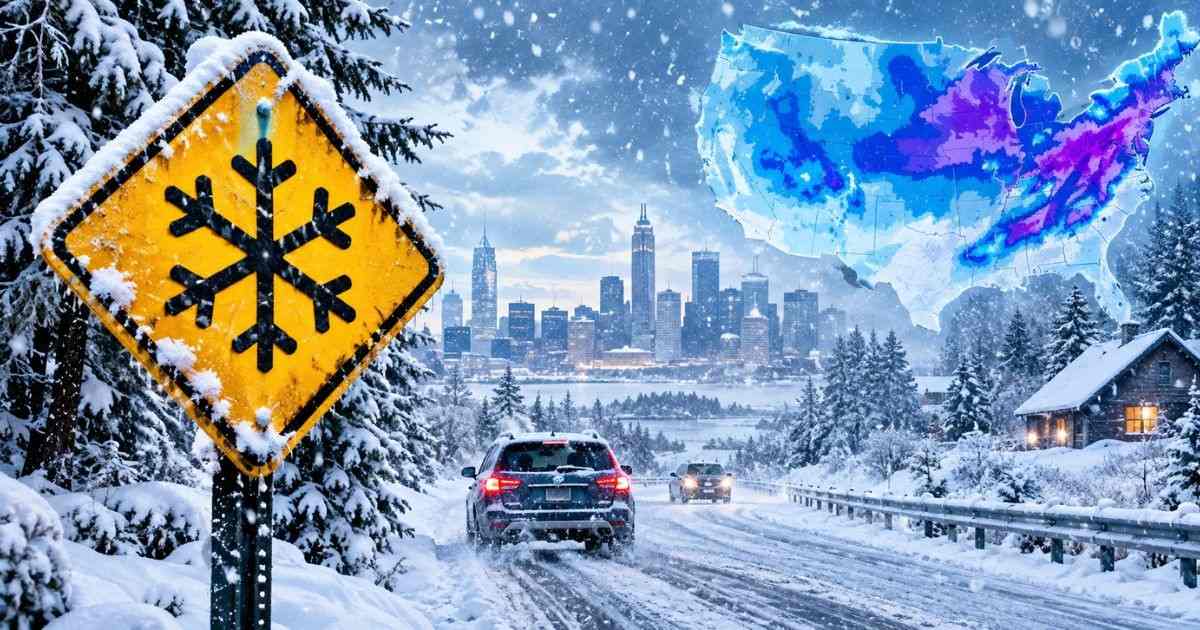
A winter storm warning alerts people to dangerous winter weather that is happening or expected soon. Heavy snow, freezing rain, sleet, and strong winds can make roads unsafe, interrupt electricity, and affect daily life. People across the United States should understand what this warning means, how to check local weather alerts, and when to change their travel plans.
As the 2026–2027 winter season approaches, Americans may search for winter storm warnings, snowfall forecasts, winter weather alerts, and emergency preparation tips. This guide explains how weather warnings work, where to find reliable updates, which areas face different winter hazards, and how families, drivers, and homeowners can prepare for severe winter weather.
What Is a Winter Storm Warning?
A winter storm warning is an official alert from the National Weather Service (NWS) when significant winter weather is occurring or expected. Depending on the forecast, the warning may cover heavy snow, sleet, freezing rain, or a combination of these conditions. The exact criteria vary by location because weather patterns and local risks differ across the United States.
When a winter storm warning affects your area, take it seriously and follow official safety instructions. Snow and ice can reduce visibility, make roads slippery, damage trees, and interrupt power supplies. Even a familiar road can become dangerous when temperatures fall or snow accumulates quickly.
A warning usually identifies the affected locations, expected weather, timing, possible impacts, and recommended precautions. Check the latest alert before traveling because forecasters may update snowfall amounts, warning periods, and affected areas as conditions change.
Latest Winter Storm Warning Updates in the USA

Winter weather does not affect every state at the same time. While some northern mountain areas may receive early-season snow, other parts of the country may continue to experience mild autumn weather.
On October 11, 2026, the National Weather Service reported a winter storm warning for Montana’s Gallatin Valley, including Bozeman and Gallatin Gateway. The forecast called for additional wet snow, with accumulations of 3 to 6 inches in the valley. The warning highlighted difficult travel, possible tree damage, isolated power outages, and potential effects on the Monday morning commute. Separate mountain areas faced higher snowfall forecasts. These alerts applied to specific locations and times, not the entire United States.
This example shows why readers should check their own city or county rather than assume that a warning in Montana also applies to other states.
The Weather Channel also reported on October 5, 2026, that it would name selected high-impact winter storms during the 2026–2027 season. Named storms can attract national attention because they may affect travel, electricity, and daily activities across large areas. However, the National Weather Service remains the primary source for official warnings.
For current information, use these resources:
- National Weather Service for official weather alerts and local forecasts.
- NWS Forecast Search to check conditions for a specific location.
- NOAA for national weather and seasonal outlook information.
Always check the alert’s issue time, expiration time, affected counties, expected snowfall, and travel guidance. A previous storm report does not confirm that the same warning remains active today.
Winter Storm Warning vs. Winter Storm Watch vs. Advisory
The National Weather Service uses different alert types to communicate winter weather risks. Understanding these terms helps people decide when to prepare and when to take immediate action.
| Alert type | What it means | Recommended response |
| Winter Storm Watch | Significant winter weather is possible | Prepare supplies and review travel plans |
| Winter Storm Warning | Significant winter weather is occurring or expected | Take protective action and avoid unnecessary travel |
| Winter Weather Advisory | Winter weather may create hazardous or disruptive conditions | Use caution and monitor updates |
| Blizzard Warning | Dangerous blowing or falling snow and strong winds are producing or expected to produce very poor visibility | Avoid travel and follow official instructions |
| Ice Storm Warning | Significant ice accumulation from freezing rain is expected or occurring | Prepare for slippery roads and possible power outages |
The exact criteria for these alerts vary by location. The NWS uses local forecasts and expected impacts when deciding which alert to issue. You can read its official watch, warning, and advisory criteria.
What Does a Winter Storm Watch Mean?
A winter storm watch means significant winter weather is possible. Forecasters may still be uncertain about the storm’s exact path, timing, or intensity. A watch gives people time to prepare before conditions become more dangerous.
During a watch, check emergency supplies, charge mobile devices, review your travel plans, and monitor weather updates. If you plan to drive a long distance, consider whether you can travel before the storm arrives or delay the trip until conditions improve.
Read More: 250+ Cozy Winter Wishes and Messages for 2026 to Share Warmth and Happiness
What Does a Winter Storm Warning Mean?
A winter storm warning means significant winter weather is occurring or expected. Heavy snow, freezing rain, sleet, and strong winds can make travel dangerous and disrupt normal activities.
When a warning covers your location, postpone unnecessary trips, follow local emergency instructions, and prepare for possible power interruptions. Do not assume that a short journey will be safe just because you know the route well.
What Is a Blizzard Warning?
A blizzard warning describes dangerous conditions involving strong winds and falling or blowing snow that significantly reduces visibility. NWS criteria generally include sustained winds or frequent gusts of at least 35 mph, visibility below one-quarter mile, and conditions lasting at least three hours.
Blizzards can make it difficult to see road markings, other vehicles, or nearby buildings. Drivers may lose their sense of direction even on familiar roads. Stay indoors when possible and follow official instructions if a blizzard warning affects your area.
How to Check If a Winter Storm Warning Is Active Near You

The most reliable way to check a winter storm warning is to use an official forecast. National weather reports sometimes cover multiple counties, but the warning may apply only to certain locations or elevations.
Follow these steps:
- Visit weather.gov.
- Enter your city, ZIP code, or location.
- Look for active weather alerts near the forecast.
- Open the complete warning to check its start and expiration times.
- Review the expected snowfall, ice accumulation, wind conditions, and travel impacts.
- Check again before leaving home if the forecast may change.
You can also monitor your state transportation department for road closures and local emergency management agencies for safety instructions. In participating states, dialing 511 may provide road and travel information.
Social media can help you find announcements from local authorities, but do not rely on an undated screenshot or an unverified post. Check the original official alert before sharing information about a dangerous storm.
How Much Snow Can Trigger a Winter Storm Warning?
There is no single snowfall amount that triggers a winter storm warning across the entire United States. Local NWS offices use regional criteria that consider snowfall, ice, sleet, wind, visibility, and expected impacts.
For example, a few inches of snow may cause serious travel problems in an area that rarely experiences winter weather. In a region accustomed to heavy snowfall, the same amount may have a smaller effect. Freezing rain can also create dangerous road conditions without producing much snow.
Forecasters may consider:
- Expected snowfall accumulation and how quickly snow will fall.
- Freezing rain, sleet, and ice buildup.
- Wind speed and blowing snow.
- Visibility on roads and highways.
- The expected effects on travel, power lines, and daily activities.
- Local terrain and regional warning criteria.
Do not wait for a specific number of inches before taking precautions. Ice and wind can create serious hazards even when snowfall totals remain low.
Which US States Can Experience Winter Storm Warnings?
Winter storms can affect many parts of the United States, but the timing, intensity, and type of hazard vary by region.
Northeast and New England
States such as New York, Massachusetts, Vermont, New Hampshire, and Maine can experience heavy snowfall, freezing rain, strong winds, and coastal winter storms. These conditions may disrupt road travel, public transportation, and airport operations.
Residents should monitor local forecasts, prepare winter supplies, and allow extra time for essential trips. Coastal areas may also face different weather conditions from inland communities.
Great Lakes and Midwest
Parts of Michigan, Wisconsin, Minnesota, Illinois, Indiana, and neighboring states can experience lake-effect snow, widespread snowfall, icy roads, and strong winds. Lake-effect snow can create sharp differences in accumulation over short distances.
Check weather alerts along your entire travel route rather than relying only on the forecast for your starting city.
Northern Rockies and Mountain Regions
Montana, Idaho, Wyoming, and other mountain areas can receive early-season snowfall, heavy snow at higher elevations, and strong winds. Mountain passes may become difficult to cross even when nearby lower elevations receive little snow.
The October 2026 Montana warning provides an example of how early-season winter weather can affect travel before winter begins across much of the country.
Plains and Central States
Parts of North Dakota, South Dakota, Nebraska, Kansas, and surrounding areas can experience blowing snow, icy roads, and strong winds. Open terrain can allow winds to move snow across highways, reducing visibility.
Drivers should monitor road closures and avoid traveling through areas where officials report dangerous conditions.
Southern States
Some southern states experience fewer snowstorms than northern regions, but freezing rain, sleet, and icy roads can still create dangerous conditions during cold weather. Local communities may have limited equipment for treating roads after ice forms.
Residents should not assume that winter weather is harmless simply because heavy snow is uncommon in their area.
These are general regional patterns, not a forecast for every state. Check current local alerts to determine whether your location faces a winter weather threat.
Winter Storm Safety Tips for Families
Preparing before a winter storm arrives can help families manage power outages, road closures, and interruptions to everyday activities. A useful emergency plan should include food, water, communication, heating, medication, and arrangements for children, older adults, and pets.
Prepare a Winter Emergency Kit
Keep essential supplies in a place where everyone in your household can find them. Consider including:
- Drinking water and nonperishable food.
- Flashlights, spare batteries, and a battery-powered radio.
- Fully charged power banks and phone chargers.
- Necessary medications and basic first-aid supplies.
- Warm clothing, blankets, gloves, and sturdy footwear.
- Important phone numbers and emergency contact details.
- Baby supplies, pet food, and other household necessities.
Choose supplies based on your household’s needs and the possibility of a prolonged disruption. Keep some emergency supplies in your vehicle if you regularly travel during winter.
Protect Your Home From Winter Weather

Before a storm, inspect doors and windows for drafts, check heating equipment, and identify a safe way to receive weather alerts if the electricity or internet stops working.
Keep walkways clear when conditions allow, and use suitable equipment to remove snow safely. Ask for help if snow removal would place too much physical strain on you.
Never use an outdoor grill, camp stove, or generator inside a home or garage. These devices can produce carbon monoxide, a dangerous gas that can cause serious illness or death. Operate generators outdoors, well away from windows, doors, and vents, and follow the manufacturer’s instructions.
Prepare for Power Outages
Heavy snow, freezing rain, and strong winds can damage trees and power lines. Prepare by charging essential devices, keeping flashlights accessible, and identifying a safe alternative location if your home loses heat.
If the power goes out, use flashlights instead of candles whenever possible. Keep refrigerator and freezer doors closed to preserve food for longer. Check your utility provider’s official outage information for restoration updates.
Never use a gas oven to heat your home. If you use a generator, keep it outdoors at a safe distance from the building to reduce the risk of carbon monoxide poisoning.
Protect Children, Older Adults, and Pets
Make sure everyone knows where to find emergency supplies and how to contact family members. Older adults and people who depend on electricity-powered medical equipment may need extra support during an outage.
Arrange backup plans before a storm and check on neighbors who may need help. Bring pets indoors and prepare their food, water, medications, and shelter.
The CDC’s winter storm safety guidance provides additional information about heating safety, cold exposure, and emergency preparation.
Is It Safe to Drive During a Winter Storm Warning?
Driving during a winter storm warning can be dangerous because snow and ice reduce tire traction, while blowing snow can hide road markings and other vehicles. The safest choice is usually to delay nonessential travel until conditions improve.
If you must travel, check official road updates before leaving and tell someone your route and expected arrival time. Make sure your vehicle has enough fuel or battery charge, and carry winter emergency supplies.
Follow these precautions:
- Reduce speed and leave extra space between vehicles.
- Avoid sudden braking, sharp turns, and rapid acceleration.
- Use headlights when visibility is poor.
- Never drive around road barriers or into a closed road.
- Check your tires, windshield wipers, lights, and heating system.
- Keep blankets, water, food, a flashlight, and a phone charger in the vehicle.
Four-wheel drive can help a vehicle move in some snowy conditions, but it does not prevent sliding on ice or guarantee a safe stopping distance.
What Should You Do If Your Car Gets Stranded?
If you become stranded during a winter storm, remain with your vehicle unless staying there presents an immediate danger or authorities tell you to leave.
Call for assistance and make yourself visible to rescuers. Keep warm with extra clothing and blankets. If you run the engine for heat, first check that the exhaust pipe remains clear of snow and open a window slightly for ventilation. Never run the engine in an enclosed space.
Avoid walking through heavy snow or poor visibility to find help. Follow emergency instructions and conserve your phone battery if you expect a long wait.
Can a Winter Storm Warning Affect Schools, Flights, and Work?
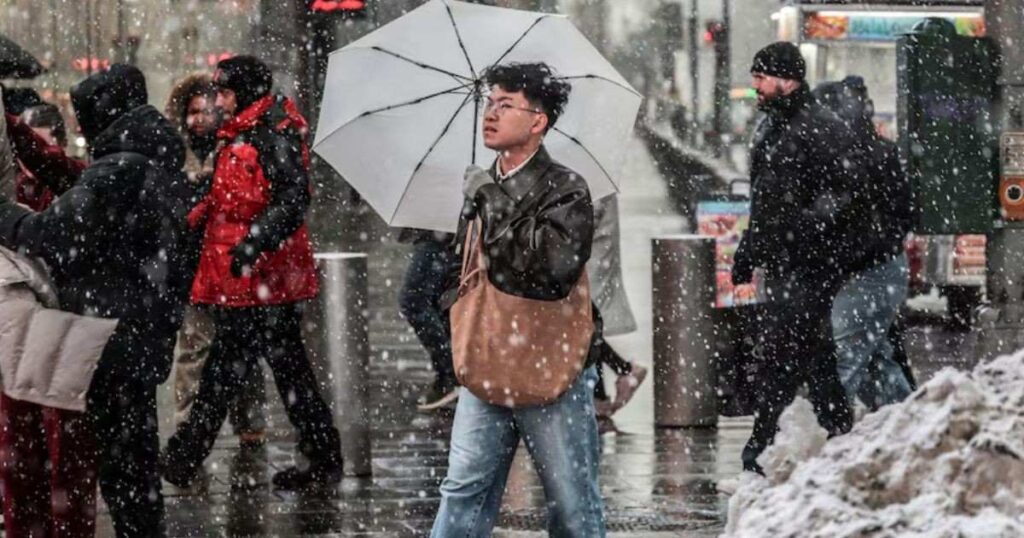
Yes. A winter storm warning may lead to school closures, delayed transportation, flight cancellations, and changes to work schedules. However, the warning itself does not automatically close every school or workplace in the affected area.
School Closures and Delays
School districts consider road conditions, bus safety, snowfall forecasts, and access to school buildings before making closure decisions.
Parents should check official district websites, verified social media accounts, and direct notifications. Do not assume that schools will close simply because a nearby county has a warning.
Flight Delays and Cancellations
Snow, ice, strong winds, and poor visibility can disrupt airport operations. Airlines may delay departures, cancel flights, or offer rebooking options when severe weather affects travel.
Check your airline’s official website or app and review your airport’s flight information before leaving home. Allow extra time to reach the airport if roads are affected.
Work and Business Disruptions
Employers may change work schedules or allow remote work when travel becomes unsafe. Workers should follow workplace procedures and contact supervisors if a warning affects their commute.
Businesses may also need to adjust deliveries, staffing, and opening hours. Check official announcements rather than assuming that normal operations will continue.
How to Stay Updated During the 2026–2027 Winter Season
As winter approaches, readers may see seasonal outlooks, individual storm forecasts, and active weather warnings in search results. These reports serve different purposes.
A seasonal outlook describes broad temperature and precipitation patterns over a period of months. A local forecast estimates weather conditions for a specific place and time. An active winter storm warning identifies a more immediate hazard that requires attention.
The Weather Channel’s October 2026 coverage of its winter storm naming program also highlights the potential for high-impact snow and ice events during the season. However, a named storm is not the same thing as an official warning for your location.
For reliable updates:
- Check the National Weather Service for active winter weather alerts.
- Review local forecasts before traveling.
- Follow your state transportation department for road closures.
- Monitor official school, airport, and utility announcements.
- Check warning expiration times and updated instructions.
- Use social media to locate official announcements, not as a replacement for verified forecasts.
Conditions can change quickly, so information that was accurate earlier in the day may no longer reflect the latest situation.
Frequently Asked Questions
What does a winter storm warning mean?
A winter storm warning means significant hazardous winter weather is occurring or expected. Heavy snow, freezing rain, sleet, or a combination of conditions may create dangerous travel and other safety risks.
How do I check a winter storm warning in my area?
Visit weather.gov and enter your city or ZIP code. Review the active alert, affected locations, expected timing, and safety instructions. Check again before traveling if conditions may change.
Is a winter storm warning more serious than a watch?
Yes. A watch means significant winter weather is possible, while a warning means hazardous conditions are occurring or expected and people should take protective action.
Should I drive during a winter storm warning?
Avoid unnecessary travel when a warning affects your route. If travel is essential, check road conditions, carry emergency supplies, and follow official instructions. Never drive through a closed road.
When will the next winter storm warning be issued?
There is no fixed nationwide schedule for winter storm warnings. The National Weather Service issues alerts according to developing weather conditions and regional criteria. Check your local forecast for the latest information.
Conclusion
A winter storm warning is an important safety alert that helps people prepare for heavy snow, ice, strong winds, and dangerous travel conditions. Understanding the difference between a watch, warning, and advisory helps families and drivers respond appropriately when winter weather threatens their area.
As the 2026–2027 winter season approaches, keep checking official forecasts, prepare essential supplies, and adjust travel plans when necessary. Whether you live in the Northeast, Midwest, Plains, or mountain regions, current local alerts can help you make informed decisions and protect your household during winter storms.
